
A cardiac checkup is a comprehensive evaluation of your heart and cardiovascular health. It is the best tool for detecting heart problems before they manifest with serious symptoms.
Who should get a cardiac checkup?
- ●Anyone over 40 as a preventive evaluation
- ●People with family history of heart disease
- ●Patients with hypertension, diabetes, or high cholesterol
- ●Active or former smokers
- ●People who are overweight or obese
- ●Athletes seeking cardiac performance evaluation
- ●Anyone experiencing cardiac symptoms
What does our cardiac checkup include?
At ElderCardio, we perform a complete cardiac checkup that includes:
1. Detailed medical history
Dr. Jimenez will review your personal and family medical history, current medications, lifestyle habits, risk factors, and any symptoms you may have. This information is essential for personalizing your evaluation.
2. Cardiovascular physical examination
Includes cardiac and pulmonary auscultation, evaluation of peripheral pulses, precise blood pressure measurement in both arms, venous return assessment, and screening for signs of cardiovascular disease.
3. Electrocardiogram (ECG)
A quick, non-invasive study that records the electrical activity of the heart. It can detect arrhythmias, previous heart attacks, cardiac hypertrophy, and other rhythm abnormalities.
4. Echocardiogram
Heart ultrasound that evaluates structure, valve function, and pumping capacity. It provides detailed information about the condition of your heart.
5. Diagnosis and action plan
With all the information gathered, Dr. Jimenez will provide a comprehensive diagnosis, personalized cardiovascular risk assessment, and specific treatment or prevention recommendations.
The cardiology consultation lasts approximately 45 to 60 minutes. All studies are performed and interpreted the same day so you receive immediate answers about your cardiac health.
How often should you get one?
- ●No risk factors: every 2-3 years starting at age 40
- ●Mild risk factors: annually
- ●Diagnosed heart disease: as directed by your cardiologist (usually every 6-12 months)
- ●High-performance athletes: annually
Do not wait until you feel symptoms to take care of your heart. Schedule your cardiac checkup and take control of your cardiovascular health. Prevention is always the best medicine.
Disclaimer: This article is for informational purposes only and does not replace professional medical consultation. Always consult a qualified cardiologist for diagnosis and treatment of heart conditions.
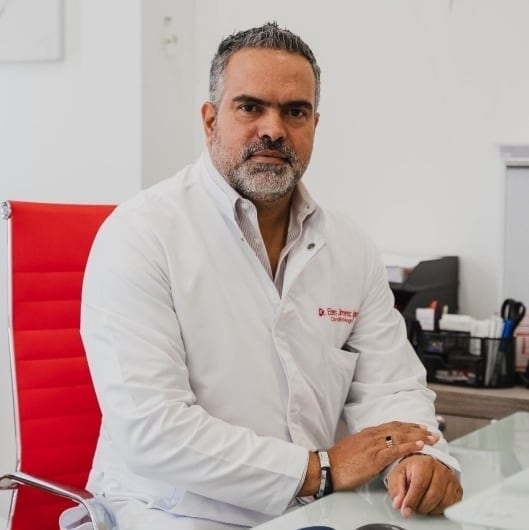
Dr. Elders Jimenez Iglesias
Cardiologist · Nuclear Cardiology
Professional License: 13819257 · Specialty: 12543211
Have questions about your heart health?
Schedule a personalized evaluation with Dr. Jimenez. Board-certified cardiologist with expertise in nuclear cardiology.